Cockroaches and Summer Heat Waves: Why They Seek Shelter in Household Plumbing
When prolonged summer heat hits Middle Tennessee, cockroaches face severe dehydration outdoors. Discover why home plumbing systems become their primary refuge and how to protect your living spaces.
The Summer Surge: When Cockroaches Move Indoors
During the peak of a Middle Tennessee summer, high temperatures and intense sunlight can bake the soil, dry out mulched landscaping, and deplete natural water reservoirs. While humans can retreat indoors to air conditioning, outdoor pests must find immediate refuge from the lethal heat. Among the most resilient—and unwelcome—of these invaders are cockroaches.
Many homeowners in Brentwood notice an uptick in cockroach sightings inside bathrooms, kitchens, and laundry rooms precisely when outdoor temperatures climb into the nineties. It is not a coincidence that these encounters cluster around sinks, bathtubs, floor drains, and water lines. Understanding the biological drivers behind this migration helps explain why plumbing fixtures act as an open invitation during dry, sweltering weather.
The Biology of Dehydration in Cockroaches
Insects have a high surface-area-to-volume ratio, which makes them uniquely vulnerable to desiccation (drying out). Cockroaches rely on a thin, waxy coating on their outer cuticle to retain internal moisture. When exposed to sustained heat waves, this protective barrier struggles against high ambient temperatures and dry surrounding air.
While cockroaches can survive for weeks without solid food, their survival window drops dramatically without water—often down to a single week or less depending on temperature and species. In outdoor habitats like mulch beds, woodpiles, compost heaps, and utility vaults, the soil moisture they typically rely on vanishes during extended heat spells. To avoid dehydration, cockroaches instinctively follow humidity gradients, pursuing even trace levels of moisture toward cooler, subterranean, or sheltered environments.
How Household Plumbing Serves as an Ideal Refuge
Modern residential plumbing systems unintentionally replicate the ideal natural habitat for heat-stressed cockroaches: dark, damp, temperature-regulated, and largely protected from predators. Several key components of indoor plumbing draw these pests inside:
Condensation on Cool Pipes
Air-conditioned homes create a distinct temperature contrast between indoor air and cold-water supply pipes. This differential causes condensation to form on exposed piping within wall cavities, crawlspaces, and beneath cabinets. To a cockroach, these sweating pipes provide an accessible and continuous drinking source without requiring them to step into open living spaces.
Drain Traps and Standing Moisture
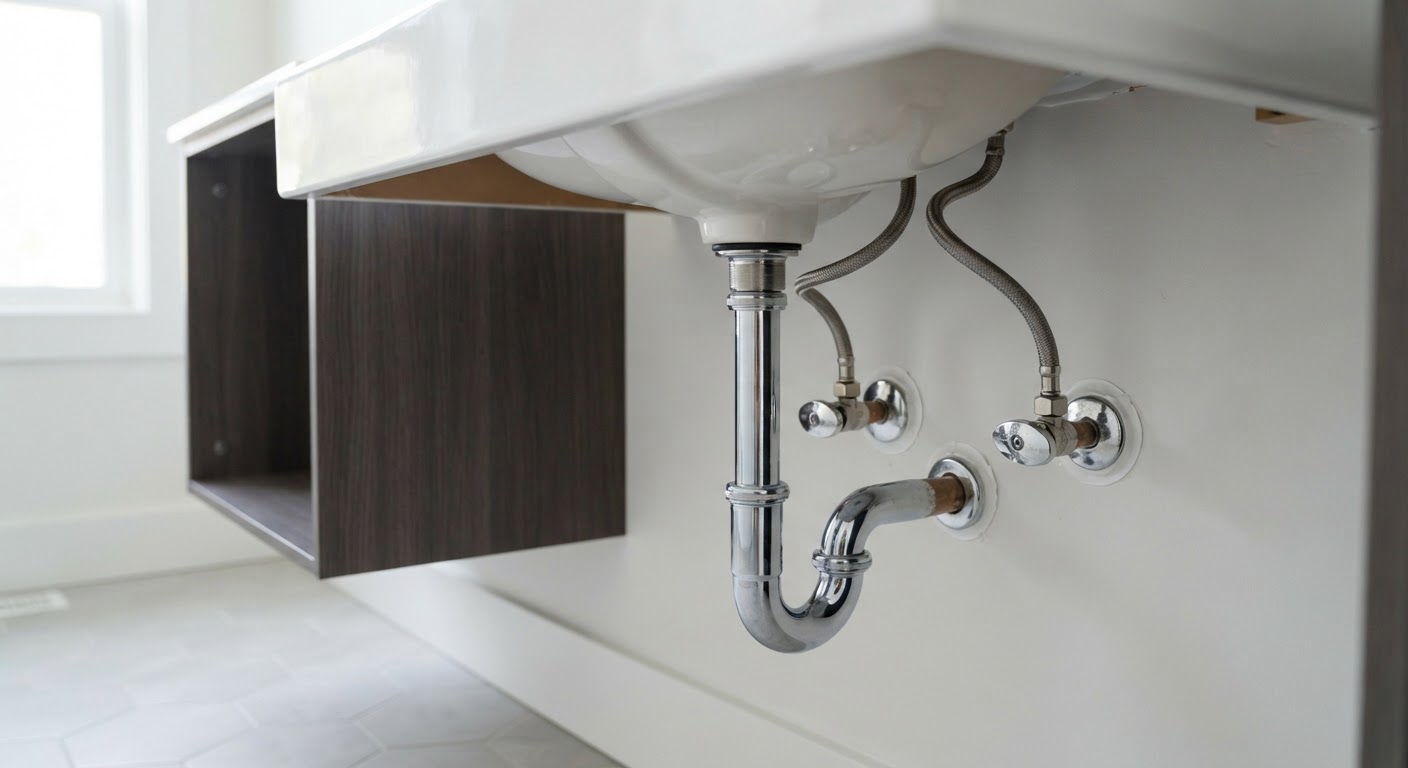
Every sink, tub, and floor drain features a P-trap—a curved section of pipe designed to hold standing water, preventing sewer gases from entering the home. In guest bathrooms, basement utility sinks, or secondary showers that see infrequent use during the summer, these traps can either serve as an easy moisture reservoir or, if they evaporate partially, leave direct pathways open from municipal or septic lines.
Pipe Chases and Structural Penetrations
Plumbing lines run through walls, floors, and subflooring inside hollow channels known as pipe chases. When plumbers install drainage and supply lines, the holes cut into subflooring and drywall are frequently larger than the pipes themselves. These gaps create unhindered subterranean highways connecting crawlspaces, basements, and exterior foundation perimeters directly into interior cabinets.
Common Cockroach Species Driven Indoors by Heat
Different cockroach species interact with residential plumbing in distinct ways during summer heat waves. Identifying the species you are encountering provides valuable clues about their point of entry:
- American Cockroaches: Often colloquially referred to as "water bugs," these large, reddish-brown insects thrive in municipal sewer mains, storm drains, and moist outdoor areas. When street-level stormwater drains heat up, they frequently travel upward through sewer laterals, foundation vents, and crawlspace plumbing penetrations.
- Oriental Cockroaches: Highly dependent on damp, cool microclimates, Oriental cockroaches cannot tolerate prolonged heat or dry conditions. They are commonly discovered around basement floor drains, sump pump basins, and lower-level plumbing fixtures during summer droughts.
- Smokybrown Cockroaches: Native to outdoor canopies, tree hollows, and roof gutters, these pests seek moisture when rooflines and attics become excessively hot. They often enter homes along plumbing vent stacks extending through the roof or slip behind siding where outdoor spigots enter the wall.
- German Cockroaches: Although primarily an indoor species that lives in close proximity to human food sources, severe summer heat accelerates their reproductive cycle. In hot weather, German roaches concentrate even more heavily around kitchen dishwashers, sink drains, and refrigerator drip pans to satisfy heightened hydration needs.
Vulnerable Areas Inside the Home
When outdoor conditions turn hostile, cockroaches do not scatter randomly across a house; they congregate where moisture and structural voids align. Key inspection points include:
- Under-Sink Cabinets: Enclosed cabinets keep humidity trapped, conceal minor plumbing seeps, and offer deep harborage near supply shut-off valves.
- Behind Laundry Equipment: Washing machine drain hoses and water connections create warm, humid pockets that rarely get disturbed by foot traffic.
- Crawlspaces and Basements: Plumbing supply and drain lines traverse these lower zones. Unconditioned or poorly ventilated crawlspaces trap heat while pipe condensation supplies standing moisture.
- Utility Closets: Water heater tanks and pressure relief valves often discharge small amounts of water or radiate localized heat, creating microclimates where cockroaches can hide during the day.
Practical Steps to Protect Your Plumbing from Summer Invasions
Managing cockroach pressure during heat waves requires a two-pronged strategy: eliminating entry points around plumbing infrastructure and reducing the indoor moisture signals that attract them in the first place.
Seal Pipe Gaps and Escutcheons
Inspect the areas beneath every sink, behind toilets, and around laundry hookups. Install tight-fitting metal escutcheon plates against the drywall, and use expanding foam or silicone caulk to seal any open annular space between the plumbing pipes and the wall or subfloor.
Keep Drain Traps Active
Run water for thirty seconds through rarely used sinks, guest bathroom tubs, and basement drains once a week. This maintains the water seal inside the P-trap, preventing roaches that navigate sewer or drain lines from surfacing inside your fixtures.
Address Hidden Leaks and Excess Moisture
Routinely check for slow drips from sink faucets, hose bibs, and under-counter valves. Insulating cold-water pipes with foam sleeves can significantly reduce the surface condensation that cockroaches use as a water supply during humid heat waves.
Maintain Clean Drains
Organic debris, soap scum, and hair can coat the upper walls of drain pipes just below the strainer, providing both food and moisture for roaches. Regular cleaning with appropriate drain cleaning tools or enzymatic cleaners removes this food source and makes the pipe interior less hospitable.
The Value of Professional Pest Management
While sealing visible pipe penetrations and running water through drains helps deter wandering pests, large cockroach populations driven by extreme weather often require systemic intervention. Pests exploiting sewer connections, subflooring, or deep crawlspace voids cannot be resolved with surface spray treatments alone.
A professional pest management plan addresses the exterior perimeter of the home—treating mulch beds, foundation borders, and crawlspace vents—before insects are forced to move indoors. Targeted interior applications focus on hidden voids, utility chases, and plumbing entryways, establishing a protective barrier that stops heat-seeking pests long before they reach your sinks and showers.
If high summer temperatures are driving cockroaches into your plumbing and living areas, contact Granite Finch Pest Control. Our experienced team can assess your property's perimeter, locate hidden entry points around utility lines, and implement comprehensive residential pest control solutions tailored for your Brentwood home.
Need help from Granite Finch Pest Control?
Contact our team to discuss your service needs in Brentwood and surrounding service areas.