Signs Mice or Rats Have Moved into Your Attic and How to Address Them
Discover the subtle warning signs of rodent activity in your attic, the hazards uninvited mice or rats present, and actionable steps to reclaim your space.
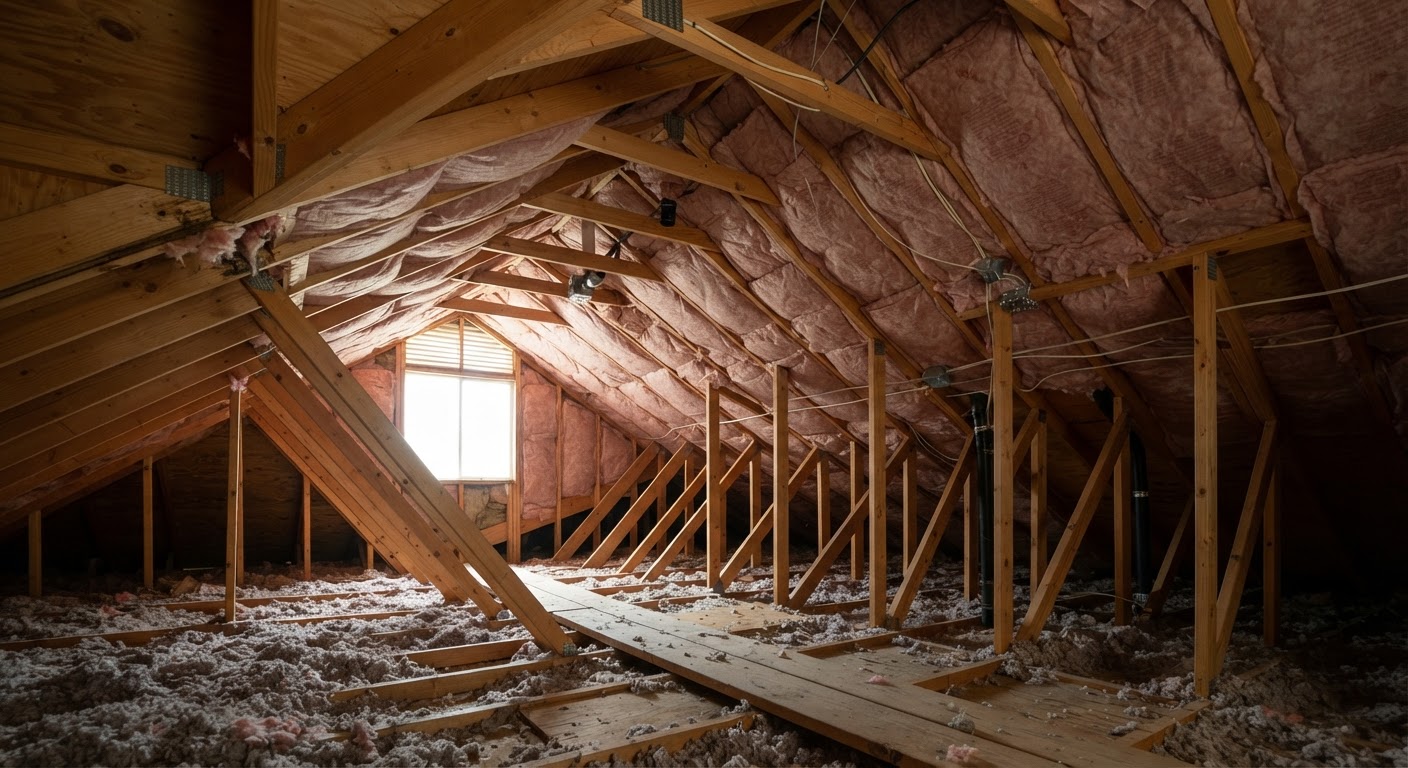
The Attic as an Unintentional Rodent Haven
For mice and rats, the attic of a residential home represents an ideal habitat. It is warm, dry, undisturbed by regular foot traffic, and filled with plush materials perfect for nesting. In Brentwood, where expansive rooflines, dormers, and mature tree canopies often bring wildlife into close proximity with homes, rodents regularly exploit subtle structural gaps to move indoors.
Because attics are infrequently visited, an infestation can develop quietly for weeks or even months before a homeowner notices. Identifying the early indicators of rodent intrusion is essential to stopping structural damage, preventing fire hazards, and protecting the indoor air quality of your household.
Key Indicators of Attic Rodent Activity
Rodents are secretive, nocturnal creatures, so you are far more likely to detect the evidence of their presence before you ever lay eyes on the animals themselves. Regularly checking for the following signs will help you identify a problem early.
1. Unexplained Sounds in the Ceiling
The most common first sign of attic rodents is sound. Because mice and rats are nocturnal, these noises typically begin just after dusk and continue intermittently throughout the night. Homeowners frequently report hearing:
- Light scurrying, scratching, or pitter-patter sounds across ceiling drywall.
- Soft gnawing or chewing vibrations near wall studs or ceiling joints.
- Squeaks or faint rustling within rolls of fiberglass insulation.
The volume and speed of the sound can offer clues: mice tend to produce faint, rapid scratching noises, while larger rats create heavier, more deliberate scurrying sounds.
2. Droppings and Urine Stains
Rodents leave waste wherever they travel and nest. Inspecting your attic with a flashlight can quickly reveal their presence through their droppings:
- Mouse droppings: Small, roughly one-quarter inch long, dark, and tapered at both ends, resembling grains of black rice.
- Rat droppings: Substantially larger, measuring between one-half and three-quarters of an inch, with blunt ends (Norway rats) or pointed ends (roof rats).
Fresh droppings appear dark and slightly moist, while older droppings dry out, turning gray and brittle. Persistent infestations also produce a distinct, stale, ammonia-like odor caused by accumulating urine deposits.
3. Disturbed or Burrowed Insulation
Attic insulation provides rodents with both warmth and prime nesting material. If you look across your attic floor, disturbed insulation is an unmistakable red flag. Rodents create defined travel trenches through loose-fill cellulose, leaving compacted pathways where they regularly run. In fiberglass batting, mice and rats often burrow deep beneath the paper backing or tear chunks away to construct circular nests hidden in rafters or near soffit baffles.
4. Gnaw Marks on Wood, Ducting, and Wires
Rodents belong to the order Rodentia, characterized by continuously growing incisor teeth. To keep their teeth worn down and sharp, mice and rats must gnaw relentlessly on hard surfaces. Inside an attic, this instinct leads to damage across multiple building components:
- Rafters, joists, and structural fascia board edges.
- Flexible HVAC ductwork, leading to conditioned air loss and contaminated ventilation.
- Plastic junction boxes and electrical wiring, exposing bare copper and creating a serious fire hazard.
- PVC plumbing vent pipes and storage containers.
5. Smudge Marks Along Beams and Entryways
Rats and mice have natural oils and dirt in their fur. As they repeatedly navigate the same pathways along wooden rafters, roof trusses, and access hatches, they leave behind dark, greasy rub marks. These runways typically run parallel to structural supports or lead directly into wall voids and drop-down ceiling chases.
Why Attic Rodent Infestations Demand Prompt Action
A rodent problem in the attic is never merely a cosmetic or auditory nuisance. Left unchecked, a breeding pair of rodents can rapidly expand into a substantial colony, bringing serious risks into the living spaces below.
Fire Hazards
Rodents stripping insulation from electrical wiring is a recognized cause of unexplained residential electrical shorts and attic fires. Exposed wires buried beneath flammable nesting material or blown-in insulation create an immediate hazard.
Air Quality and Health Concerns
Many modern homes run central heating and air conditioning ducts directly through the attic. Rodents that nest around or tear into these ducts introduce airborne contaminants into your home's air supply. Microscopic particles of dried urine, feces, and dander can circulate through the HVAC system, aggravating allergies and respiratory sensitivities. Furthermore, rodents frequently host parasites such as fleas, ticks, and mites that can migrate down into living areas.
How to Address Attic Rodent Infestations Effectively
Resolving an attic infestation requires a systematic strategy rather than simply placing a few traps on the floor. Eradication involves four core phases: inspection, exclusion, removal, and cleanup.
Step 1: Conduct a Thorough Exterior and Interior Inspection
Before taking action, determine how rodents are accessing the space. Roof rats, in particular, are agile climbers that enter homes via tree branches touching the roofline, utility drop lines, or exterior masonry. Carefully inspect the following areas:
- Roof intersections, dormer transitions, and flashing gaps.
- Soffit vents, gable vents, and ridge cap openings.
- Plumbing stacks and air conditioning line penetrations.
- Gaps between the roof deck and the fascia board.
Step 2: Exclusion (Sealing Entry Points)
Trapping rodents without sealing entry points simply creates a revolving door for new pests. Mice can squeeze through an opening the size of a dime, while young rats need only the space of a quarter. Seal all gaps using rodent-proof materials such as heavy-gauge hardware cloth (quarter-inch mesh), steel wool, or copper mesh backed by structural sealants. Standard expanding spray foam alone is insufficient, as rodents can quickly chew through it.
Step 3: Strategic Trapping
Once entry routes are restricted, systematic trapping removes the animals already trapped inside. While chemical rodenticides might seem convenient, using poison baits inside an attic often leads to disastrous results. Poisoned rodents frequently crawl into inaccessible wall voids, beneath subflooring, or deep into structural framing to die, resulting in intense decay odors and fly infestations that can persist for weeks.
Mechanical snap traps and professional multi-catch stations placed along known runways, near beams, and adjacent to nesting zones allow for immediate verification and clean disposal of captured rodents.
Step 4: Safe Cleanup and Sanitation
Cleaning up an infested attic requires caution to avoid inhaling airborne pathogens:
- Never sweep or vacuum droppings with a standard household vacuum, as this aerosolizes dried waste particles.
- Wear appropriate personal protective equipment, including gloves and a fitted respirator.
- Lightly mist contaminated areas with an EPA-registered disinfectant before wiping or removing soiled material.
- Heavily contaminated insulation should be safely removed, the substrate sanitized, and fresh insulation installed to restore energy efficiency and home safety.
Preventing Future Attic Infestations
Once your attic is clear, proactive maintenance will ensure it stays that way. Keep tree limbs trimmed at least six to eight feet away from your roofline to eliminate easy bridges for climbing rodents. Regularly inspect your attic after severe Middle Tennessee storms, which can dislodge vent screens or loosen fascia boards, creating new points of entry.
Professional Rodent Control in Brentwood
Eliminating rodents from elevated attic spaces requires careful inspection, safe exclusion techniques, and targeted trapping. Granite Finch Pest Control provides thorough rodent inspections, professional trapping solutions, and structural exclusion services tailored to protect your home. If you suspect rodents have moved into your attic, contact Granite Finch Pest Control today to restore the safety and comfort of your living space.
Need help from Granite Finch Pest Control?
Contact our team to discuss your service needs in Brentwood and surrounding service areas.