Protecting Exterior Cedar and Pine: Mitigating Carpenter Bee Damage Ahead of Spring
As spring approaches in Brentwood, carpenter bees target unsealed cedar siding, pine fascia, and outdoor pergolas. Learn how to identify early risks and safeguard your exterior woodwork before nesting season begins.
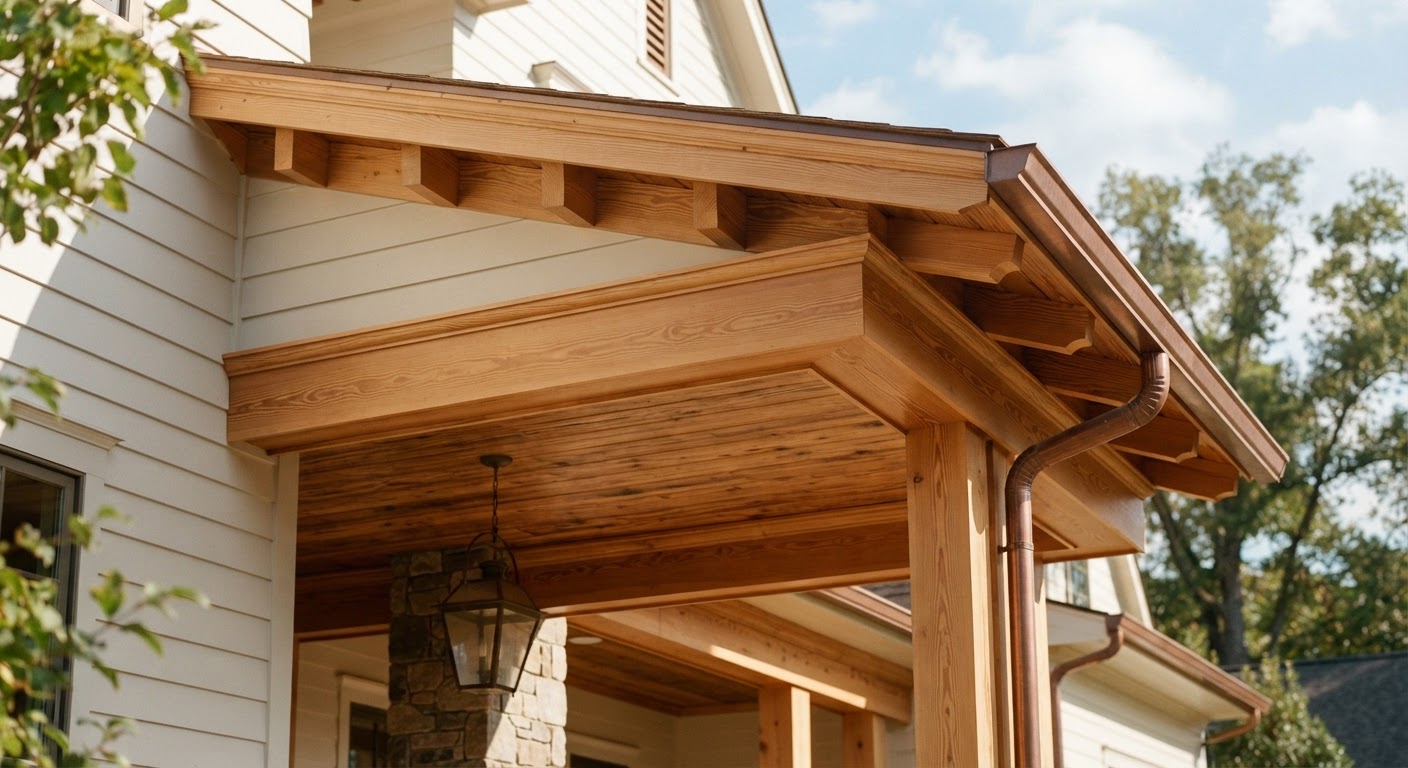
Across Brentwood and Middle Tennessee, exterior woodwork is a staple of residential architecture. From expansive cedar decks and rough-sawn porch posts to southern yellow pine pergolas and fascia boards, natural lumber gives local homes distinct character and warmth. However, these same softwoods are the primary nesting target for carpenter bees (Xylocopa virginica). As winter wanes and temperatures steadily climb into the 60s, these robust insects emerge from dormancy with an urgent biological imperative: to bore, mate, and lay eggs inside structural wood.
While carpenter bees do not consume wood as food, the mechanical damage they inflict while carving out brood chambers can degrade structural integrity, stain exterior finishes, and invite aggressive secondary pests like woodpeckers. Taking proactive steps in late winter and early spring is the most effective way to protect exterior cedar and pine before drilling activity begins in earnest.
Why Carpenter Bees Target Cedar and Pine
Carpenter bees show a strong preference for unpainted, weathered softwoods. Cedar, pine, redwood, and cypress are favored because their cellular structure is soft enough for a female bee to excavate with her powerful mandibles, yet durable enough to shelter developing larvae from external weather conditions.
Homeowners often wonder why their modern pressure-treated pine decks or treated framing still attract bees. While chemical pressure treatments resist subterranean termites and fungal rot, surface weathering often leaches these protective compounds over time. Furthermore, carpenter bees frequently target the unsealed underside of deck railings, cut ends of dimensional lumber, rafter tails, and unpainted pine trim where protective treatments are thinnest or absent altogether.
Rough-sawn cedar siding and shake shingles present an even greater attraction. The coarse texture offers an ideal foothold for the female bee as she begins chewing into the grain, establishing entrance holes roughly one-half inch in diameter—resembling a hole drilled cleanly with a spade bit.
The Nesting Timeline: Why Early Mitigation Matters
Understanding the seasonal life cycle of the carpenter bee helps explain why waiting until late spring to act often results in unnecessary damage. In Tennessee, carpenter bee activity follows a predictable seasonal rhythm:
- Late Winter: Adult bees remain dormant inside existing nesting galleries excavated during previous seasons. These galleries protect them from freezing winter temperatures.
- Early Spring (March to April): Surviving adults emerge as ambient temperatures rise. Males, which cannot sting despite their territorial and aggressive aerial hovering, stake out territory and pursue females.
- Mid to Late Spring (April to May): Fertilized females select nesting sites. Rather than expending heavy energy drilling entirely new tunnels, they prefer to re-occupy and lengthen existing galleries. If old tunnels are unavailable or overpopulated, they excavate new ones, chewing at an average rate of one inch every few days.
- Early Summer: Females provision individual cells within the gallery with pollen and nectar, lay eggs, and seal each cell with chewed wood pulp. The adults then die off, leaving the larvae to develop safely inside the wood until late summer.
Intervening before females begin the excavation and egg-laying phase prevents the exponential expansion of interior gallery networks.
The Multi-Layered Threat to Exterior Woodwork
A single entry hole on an outdoor pine rafter might seem negligible, but carpenter bee activity is rarely an isolated, single-season event. The true damage stems from three compounding threats:
1. Structural Gallery Expansion
A carpenter bee entrance hole penetrates the wood perpendicular to the grain for about an inch before making a sharp, 90-degree turn to run parallel with the grain. These internal tunnels typically extend six to twelve inches in the first season. When generations of bees reuse the same entrance year after year, they branch off in multiple directions, creating complex interior networks spanning several feet. Over time, these hollow voids compromise the load-bearing capacity of fascia boards, porch rails, and roof eaves.
2. Moisture Infiltration and Wood Rot
Every hole bored into an exterior pine or cedar element creates an unsealed conduit for rainfall and humidity. In Middle Tennessee’s humid climate, moisture trapped within deep wood galleries inevitably invites wood-decay fungi. What begins as an insect tunnel frequently transitions into localized rot, requiring full board replacement rather than simple cosmetic repair.
3. Secondary Destruction from Woodpeckers
Perhaps the most sudden and severe damage associated with carpenter bees is caused by birds rather than the insects themselves. Downy, hairy, and pileated woodpeckers possess acute hearing and can detect carpenter bee larvae moving within wood galleries. To reach this protein-rich food source, woodpeckers use their beaks like chisels, shredding the outer face of cedar siding and pine boards to expose the galleries. In a matter of hours, a minor half-inch bee hole can become a gaping, splintered trench several inches wide.
Practical Steps to Fortify Woodwork Ahead of Spring
Homeowners can implement several cultural and mechanical controls before spring emergence to reduce the likelihood of carpenter bee colonization:
Apply Durable Finishes
Paint offers superior protection compared to clear sealers or light stains. A complete, high-quality layer of exterior acrylic latex paint or oil-based enamel masks the scent and texture of natural wood, creating a physical barrier that discourages female bees from boring. If natural wood grain is preferred—such as on high-end cedar accents—ensure the wood is thoroughly treated with a durable polyurethane, spar varnish, or penetrating oil stain, paying particular attention to cut ends, bottom edges, and concealed underside surfaces.
Inspect and Seal Dormant Holes
Before new activity starts, inspect your home’s eaves, rafter tails, deck undercarriages, and window trim for past entrance holes, which are often marked by yellow-brown frass staining on surfaces below. It is critical to address these openings correctly:
- Do not simply plug active holes in mid-spring while bees are inside without proper treatment, as trapped bees may chew new exit holes elsewhere in your structure.
- For dormant galleries discovered in late winter, insert treated wooden dowels coated with exterior wood glue flush into the holes, then fill remaining voids with exterior wood filler, sand smooth, and repaint or restain the surface.
Protect Vulnerable Architectural End-Grains
Because bees favor soft, exposed end-grain, consider installing metal flashing, drip caps, or durable trim wraps over exposed pine rafter ends or fascia corners where water exposure and bee access overlap.
Professional Management for High-Risk Structures
For large homes, multistory rooflines, or properties with extensive cedar shake and exposed timber framing, addressing carpenter bees manually can be challenging and dangerous. A comprehensive pest management strategy combines targeted residual materials applied directly to structural nesting zones with specialized applications inside existing galleries. Professional treatments break the reproductive cycle, deter returning swarmers, and prevent the secondary destruction wrought by foraging woodpeckers.
Protect your exterior investments before warmer weather accelerates nesting behavior. Contact Granite Finch Pest Control today to schedule a thorough exterior wood inspection and prepare your Brentwood home for a damage-free spring.
Need help from Granite Finch Pest Control?
Contact our team to discuss your service needs in Brentwood and surrounding service areas.