Under the Hood: Safeguarding Vehicle Wiring and Garages from Field Mice
Field mice frequently target garages and engine compartments during cooler Tennessee months. Learn how to spot early warning signs and protect your vehicle wiring from costly rodent damage.
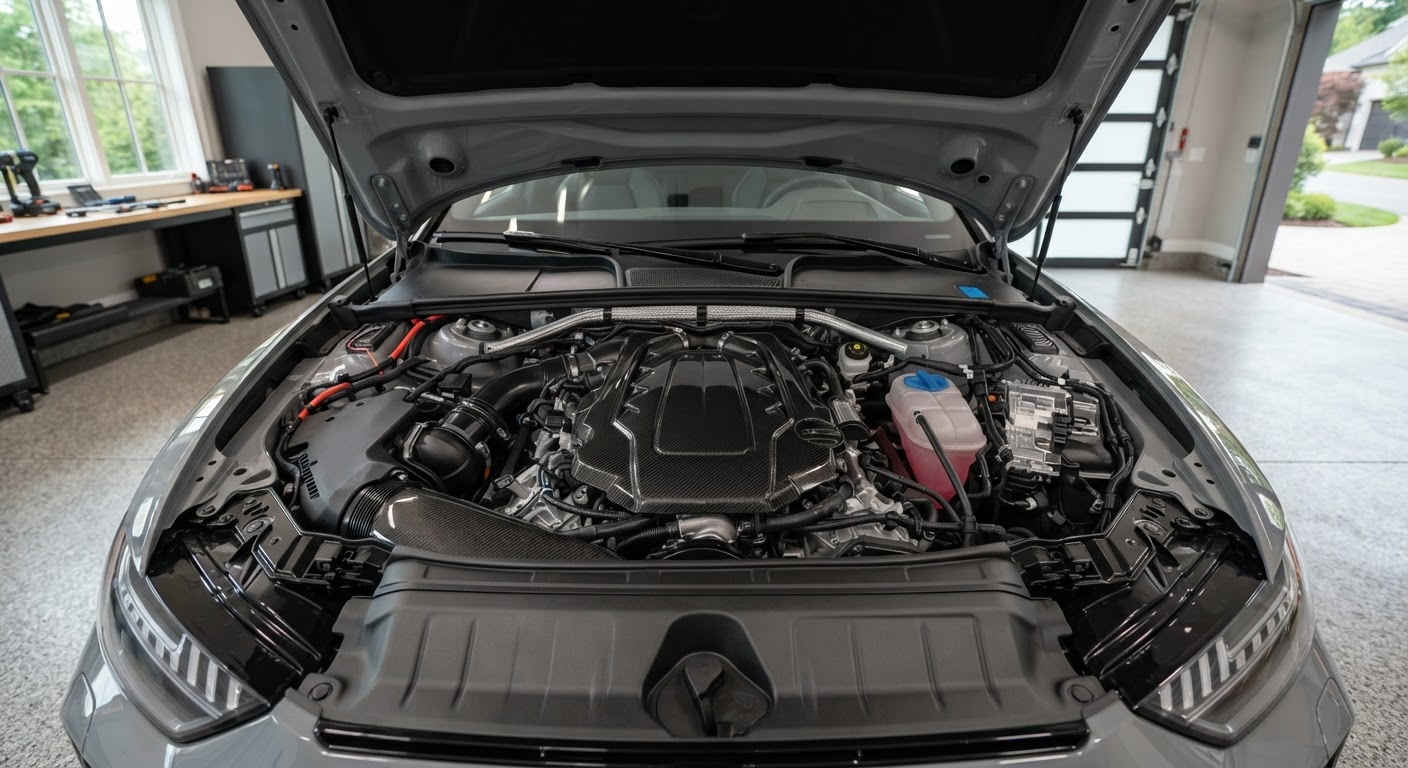
The Lure of the Garage: Why Field Mice Target Vehicle Enclosures
In Middle Tennessee, neighborhoods in and around Brentwood often sit adjacent to rolling pastures, dense tree lines, and manicured green spaces. While these natural surroundings are part of the area's charm, they also host thriving populations of field mice, including deer mice and white-footed mice. As temperatures dip or seasonal food sources dwindle, these small rodents naturally look for warm, protected shelters. Attached and detached garages represent the ideal transition zone between the outdoors and the comfort of human structures.
Garages offer protection from wind, predators like owls and hawks, and the damp humidity common to Tennessee winters and early springs. Once inside a garage, a parked vehicle presents an almost irresistible micro-habitat. The engine compartment retains heat for hours after being driven, creating an insulated incubator that protects rodents from drafts. Combined with dozens of small recesses, bulkheads, and hidden compartments, a car or truck becomes prime real estate for a nesting field mouse.
The Automotive Threat: Why Mice Attack Vehicle Wiring
The damage caused by a single mouse in an automobile can range from a minor annoyance to thousands of dollars in specialized electrical repairs. When vehicle owners find their dashboard lighting up with warning indicators or discover a car that simply will not start, rodents are frequently the undetected culprits.
Mice target automotive components for specific biological and physical reasons:
- Continuous Incisor Growth: Rodents possess front incisors that never stop growing. To keep these teeth sharp and at a manageable length, they must gnaw relentlessly on pliable yet resistant materials. Plastic conduits, rubber hoses, and insulated wires provide the exact texture needed to wear down their teeth.
- Soy-Based Wire Coatings: In recent decades, many automotive manufacturers shifted toward environmentally conscious materials, including wire insulation formulated with soy-based polymers rather than petroleum derivatives. While better for sustainability, this insulation can emit a faint, organic scent that rodents readily register as a food source or chewing substrate.
- Nesting Material Harvest: Underhood insulation, cabin air filters, and firewall sound-deadening mats are soft, fibrous, and easy to tear. Mice systematically shred these vehicle components to construct nests inside the battery tray, behind the intake manifold, or within the heater blower motor housing.
- Territorial Scent Marking: Mice deposit urine and pheromones wherever they travel. Once an engine bay has been marked, it signals safety to other rodents in the immediate environment, increasing the likelihood that replacement wiring will be targeted again if the core pest problem is not addressed.
Recognizing the Signs of Rodent Activity in Vehicles and Garages
Early detection is the most reliable way to prevent catastrophic wiring failures. Because field mice are nocturnal and cautious, they rarely reveal themselves in plain sight during daylight hours. Homeowners should routinely check both the garage floor and vehicle compartments for early indicators of rodent presence.
Under the Hood
Pop the hood of any vehicle parked inside the garage at least once or twice a month, particularly vehicles that sit idle for days at a time. Look for small, dark, cylindrical droppings scattered across the flat surfaces of the engine cover, near the battery terminals, or along the cowl below the windshield wipers. Check for stray debris such as acorns, seed hulls, dried leaves, or bits of shredded fiberglass tucked into engine crevices. A sudden, musty odor emanating from the vehicle's heating and air conditioning vents often indicates a compromised cabin filter or an active nest inside the blower fan.
Around the Garage
In the garage itself, examine corners, shelving units, and storage containers. Field mice frequently target items stored at floor level. Look for gnawed cardboard boxes, perforated plastic storage tubs, and chewed weather stripping along the base of access doors. If you store lawn care equipment, birdseed, or pet food in the garage, check these items carefully; spilled grass seed or an open sack of dog kibble will sustain an entire colony of mice indefinitely.
Fortifying the Garage Perimeter
Keeping vehicle wiring safe begins with creating a secure perimeter around the garage itself. If mice cannot establish a foothold inside the building, your vehicles remain protected by default. Field mice can squeeze through openings as narrow as a quarter of an inch, meaning even minor structural gaps can serve as highway entrances.
- Inspect the Garage Door Threshold: The rubber astragal seal running along the bottom of the main garage door takes significant abuse from weather and vehicle traffic. Over time, it cracks, hardens, or pulls away at the corners. Installing heavy-duty, rodent-resistant rubber or metal-reinforced seals ensures a tight seal against the concrete slab.
- Seal Utility Penetrations: Check exterior garage walls where electrical conduits, irrigation lines, hose bibbs, and air conditioning line sets pass through the structure. Seal any annular gaps with stainless steel or copper mesh combined with an exterior-grade polyurethane sealant. Expanding foam alone is not sufficient, as rodents can chew through it in minutes.
- Address Wall and Trim Gaps: In wood or fiber-cement sided garages, inspect the bottom trim boards and corner posts. Siding that finishes below the foundation grade or rotted wood around pedestrian door frames provides an easy gnawing point for opportunistic pests.
- Maintain Perimeter Landscaping: Keep foundation plantings, decorative grasses, and mulch beds trimmed back at least eighteen to twenty-four inches from the garage exterior. Dense shrubbery pressed against the wall offers rodents the cover they need to explore entry points without fear of detection.
Practical Vehicle Defense Strategies
While sealing the garage is the primary goal, implementing vehicle-specific precautions provides an added layer of defense—especially if a vehicle must occasionally be parked in the driveway or carport near wooded sections of your property.
Remove Food Attractants Entirely
Never store bulk pet food, birdseed, wildlife feed, or grass seed in open bags inside the garage. Move these items into heavy-duty, gasket-sealed metal containers, or store them inside the conditioned envelope of the home. Regularly vacuum vehicle interiors to remove crumbs, french fries, candy wrappers, or snacks dropped between seat cushions, as the smell alone can draw rodents through small firewall openings.
Vary Parking Habits for Idle Vehicles
Classic cars, seasonal recreational vehicles, and secondary family cars that remain parked in the same spot for extended periods are prime targets for field mice. Periodically start and move these vehicles to disrupt any nascent nesting efforts. If a vehicle is placed into long-term storage, consider propping the hood open slightly; mice prefer dark, enclosed voids, and an open hood allows ambient garage lighting to eliminate their sense of security.
Long-Term Exclusion vs. Temporary Deterrents
Many vehicle owners turn to folk remedies when faced with chewed wiring, utilizing peppermint oil sprays, mothballs, or ultrasonic sound devices. While strong scents or sound repellers may cause a rodent to hesitate initially, these measures rarely deliver durable protection. Once the scent dissipates or the animal grows accustomed to the noise, the instinct to seek warmth and shelter easily overrides the mild irritation.
True rodent control relies on an integrated, methodical approach: eliminating attractants, fortifying structural defenses through exclusion, and strategically reducing local rodent pressure around the perimeter of the home. Professional rodent management addresses the root causes of the invasion, locating hidden travel paths and nesting sites that standard visual checks often miss.
Protect Your Vehicles with Granite Finch Pest Control
Vehicle electrical repairs caused by rodent activity can be costly, frustrating, and disruptive. If you suspect field mice have made their way into your garage or vehicle compartments in Brentwood, Granite Finch Pest Control can help. Our team provides thorough inspections, targeted rodent control, and proven exclusion strategies designed to safeguard your garage, your home, and your vehicles from destructive pests. Contact Granite Finch Pest Control today to schedule a comprehensive property evaluation.
Need help from Granite Finch Pest Control?
Contact our team to discuss your service needs in Brentwood and surrounding service areas.