Damp Crawlspaces and Pests: The Hidden Link Threatening Brentwood Homes
Excess humidity and standing water in your crawlspace do more than damage wood—they create a thriving sanctuary for termites, rodents, and nuisance insects.
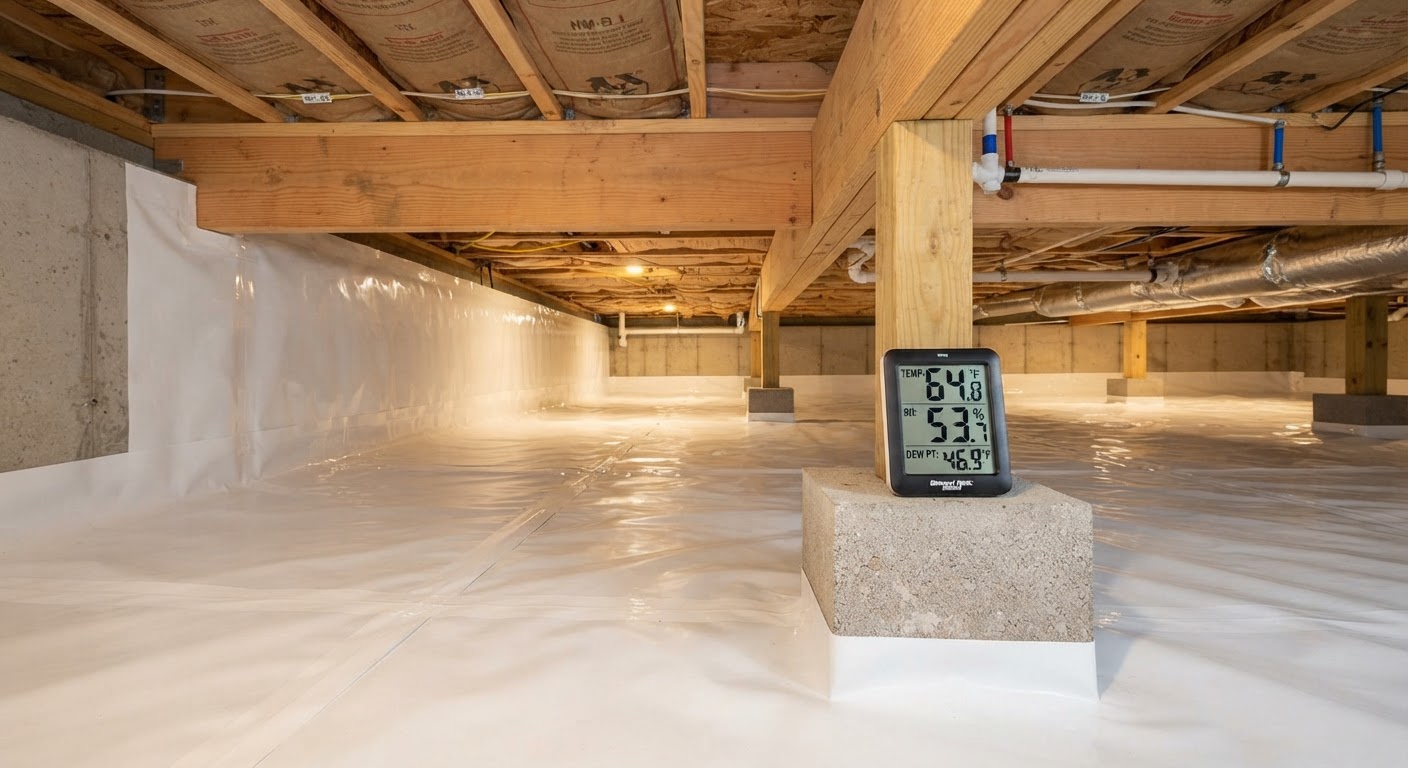
For many homeowners in Brentwood, the crawlspace is an out-of-sight, out-of-mind area. Beneath the main living areas, subflooring, and joists lies a subterranean environment that bears the weight of the house. Because it is rarely visited, it often develops conditions that go unnoticed for months or even years. Chief among these issues is excess moisture.
Middle Tennessee's climate features warm, humid summers and ample rainfall throughout the spring and late winter. When high outdoor humidity collides with the cooler ground temperatures beneath a raised foundation, the resulting condensation can turn a dry crawlspace into a persistent reservoir of dampness. Beyond causing structural decay and wood rot, crawlspace moisture serves as an open invitation to a wide variety of destructive and invasive household pests.
The Mechanics of Crawlspace Moisture
To understand why pests congregate beneath homes, it helps to understand how moisture accumulates in crawlspaces in the first place. Crawlspaces generally gain moisture through four primary pathways:
- Ground Evaporation: Soil naturally contains water. In homes without an adequate vapor barrier covering the exposed earth, gallons of water vapor evaporate directly from the soil into the subfloor framing each day.
- Outdoor Humidity: During warm months, outdoor air enters through foundation vents. When that warm, humid air contacts cooler crawlspace surfaces like ductwork or concrete foundation walls, moisture condenses into liquid water.
- Poor Surface Drainage: Heavy downpours can cause roof runoff or landscape water to pool against the exterior foundation. If gutters are clogged or downspouts discharge too close to the perimeter, hydrostatic pressure pushes water through foundation walls or directly into the crawlspace interior.
- Plumbing Leaks: Supply lines, drainpipes, and HVAC condensation drain lines routed through the crawlspace can develop slow, hidden leaks that saturate joists and soil before anyone inside notices a change in water pressure.
Once moisture enters this enclosed space, poor air circulation prevents it from drying quickly. The environment remains dark, sheltered, and damp—the exact trifecta required for pests to thrive.
Pests That Thrive in Damp Crawlspaces
Pests require three basic elements to survive and multiply: food, shelter, and water. A damp crawlspace provides all three in abundance, attracting several distinct categories of invaders.
Subterranean Termites
Subterranean termites are the most financially destructive pests drawn to crawlspace moisture. These insects require constant moisture to survive; their soft bodies dehydrate rapidly when exposed to dry air. Soil dampness gives subterranean termite colonies the hydration they need to expand their underground networks.
When damp crawlspace conditions cause wooden floor joists, sill plates, and subfloors to absorb ambient moisture, the structural timber softens. Termites prefer damp, decaying wood because it is easier to consume and digest. Furthermore, standing water or plumbing leaks can allow termites to establish satellite nests above ground, bypassing the need to return to the soil below.
Rodents (Rats and Mice)
Mice and rats look for crawlspaces as safe nesting grounds away from outdoor predators and fluctuating weather. However, a bone-dry crawlspace offers limited resources. A damp crawlspace, by contrast, frequently provides small pools of standing water or condensation dripping from HVAC lines, giving rodents a reliable drinking source.
Moisture also degrades fiberglass batt insulation installed between floor joists. As insulation absorbs dampness, it sags and loosens, creating cavernous, soft cavities where rodents can build nests and nurse their young. Once established in the crawlspace, rodents use utility chases, gaps around plumbing pipes, and HVAC returns to move upward into kitchen pantries and interior walls.
Camel Crickets (Cave Crickets)
Few pests are more commonly associated with crawlspaces than camel crickets, sometimes called cave crickets or "sprickets." These insects naturally inhabit cool, dark, and humid environments such as caves, hollow logs, and rock piles. An unsealed, humid crawlspace mimics their natural habitat perfectly.
Camel crickets feed on fungi, mold, organic matter, and other dead insects that flourish in high-humidity zones. While they do not bite or carry diseases dangerous to humans, their erratic jumping behavior can be startling, and they readily migrate into living areas when their crawlspace populations become overcrowded.
Cockroaches
Species such as the Oriental cockroach and American cockroach thrive in damp, decomposing environments. Often referred to locally as waterbugs, these pests rely on high humidity levels to prevent desiccation. They feed on decaying organic matter, sewer grease, and mold found around damp foundation walls and floor framing. An unchecked crawlspace infestation frequently leads to roaches entering bathrooms, laundry rooms, and kitchens through gaps around drains and pipes.
Spiders and Predatory Insects
A crawlspace rich in moisture attracts primary consumers like crickets, silverfish, and beetles. In turn, these smaller pests attract predators. Spiders, including hunting varieties and web-builders, establish large populations beneath homes where insect prey is plentiful. If the moisture problem remains unresolved, the crawlspace essentially forms a self-sustaining ecosystem right beneath your feet.
The Upward Migration: How Crawlspace Problems Enter Living Areas
Homeowners often assume that whatever happens in the crawlspace stays in the crawlspace. In reality, a building functions as a single system through an architectural phenomenon known as the stack effect.
As warm air rises inside your home and escapes through the attic and upper levels, it creates negative pressure on the ground floor. This pressure pulls air upward from the crawlspace through microscopic cracks in the floorboards, wall voids, electrical outlets, and plumbing penetrations. In fact, a significant percentage of the air you breathe on the first floor originates from the crawlspace.
Along with that air comes elevated indoor humidity, musty fungal odors, and airborne mold spores. Furthermore, pests that establish populations underneath the house will naturally seek out additional food and living territory, following warm air currents directly into living quarters.
Warning Signs of a Moisture and Pest Problem
You do not necessarily have to crawl beneath your home to detect the presence of moisture-related pest activity. Several subtle signs inside and around the home point toward subfloor trouble:
- Spongy or Uneven Floors: If your hardwood or tile floors feel springy or begin to buckle, subfloor joists may be taking on excessive moisture from below, weakening the structure and inviting wood-destroying insects.
- Musty Odors: A persistent earthy or sour smell on the ground floor often indicates active mold growth and high relative humidity in the crawlspace.
- Frequent Insect Sightings: Spotting camel crickets, silverfish, or ground beetles regularly in living spaces usually means a large breeding population exists directly below the floor.
- Sagging Insulation: Peering through an exterior crawlspace access door to see fallen or damp insulation hanging between joists is a clear indicator of sustained humidity.
- Mud Tubes on Foundation Walls: Pencil-thick tubes of dried mud running up concrete piers or foundation walls are definitive signs of subterranean termite exploration.
Steps to Eliminate Moisture and Protect Your Home
Effective pest control requires addressing the root conditions that invite pests inside. Chemical treatments alone cannot completely solve a pest problem if the crawlspace remains damp enough to sustain life. Long-term defense requires a dual approach that combines moisture remediation with targeted pest management.
Improve Exterior Grading and Drainage
Direct rainwater away from the foundation. Ensure that soil slopes downward away from exterior walls and that downspouts extend several feet past the home's perimeter. Keeping surface water away from the foundation limits the amount of liquid that can seep through the porous masonry.
Install a Complete Vapor Barrier
Covering exposed crawlspace dirt with a durable polyethylene vapor barrier stops ground moisture from evaporating into the subfloor framing. A properly installed barrier should cover the entire floor area, with seams overlapped and securely taped, preventing damp soil from driving up indoor humidity levels.
Repair Leaks Promptly
Inspect crawlspace plumbing periodically for pinhole leaks, failing couplings, or uninsulated cold water lines that sweat during summer. Ensuring air conditioning condensation lines drain completely outside the perimeter prevents localized puddling.
Schedule Regular Professional Inspections
Because crawlspaces are hazardous and difficult to navigate, professional inspections provide the most reliable assessment of both structural moisture and pest presence. Trained technicians can detect early termite activity, locate hidden rodent entry points, and evaluate relative humidity levels before severe damage occurs.
Protecting Your Foundation from the Ground Up
Crawlspace moisture is more than an inconvenience; it is a catalyst for expensive pest infestations and structural damage. By managing humidity levels, eliminating standing water, and securing your subfloor environment, you remove the primary incentives that draw pests beneath your home.
If you suspect excess moisture, unusual odors, or pest activity under your foundation, contact Granite Finch Pest Control today. Our team can evaluate your crawlspace, pinpoint vulnerabilities, and implement targeted residential pest control solutions to keep your Brentwood home safe, dry, and protected.
Need help from Granite Finch Pest Control?
Contact our team to discuss your service needs in Brentwood and surrounding service areas.